

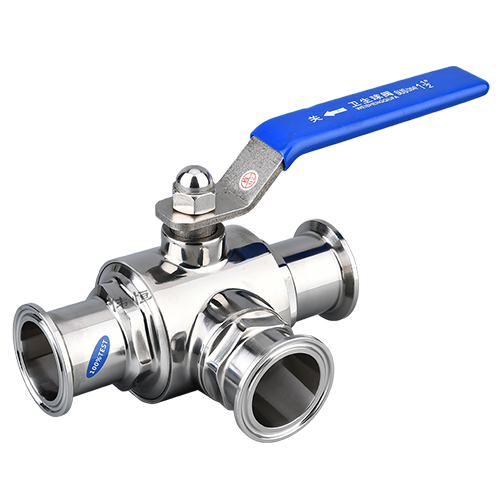
Fluorine-Lined Valves for Alkali Processing Plants: A Technical Overview
Industry Background and Market Demand
Alkali processing plants handle highly corrosive substances such as hydrochloric acid, sulfuric acid, and caustic soda, which demand robust materials to ensure long-term operational integrity. Traditional metallic valves often fail under prolonged exposure to aggressive chemicals, leading to frequent maintenance and downtime. Fluorine-lined valves, incorporating polytetrafluoroethylene (PTFE) or perfluoroalkoxy (PFA) linings, have emerged as a critical solution due to their exceptional chemical resistance and durability.
The market for fluorine-lined valves is expanding, driven by stricter environmental regulations and the need for operational efficiency in chemical processing. Industries such as chlor-alkali production, wastewater treatment, and pharmaceutical manufacturing increasingly rely on these valves to mitigate corrosion risks and reduce lifecycle costs.
Core Technology: Fluorine-Lined Valves Explained
Fluorine-lined valves feature a metallic outer shell with an internal lining of fluoropolymer, typically PTFE or PFA. These materials exhibit near-universal chemical inertness, resisting attack from acids, alkalis, and solvents. The lining is either mechanically bonded or thermally fused to the valve body, ensuring a seamless barrier between the corrosive medium and the structural metal.
Key valve types include:
- Butterfly valves: Compact design for moderate-pressure applications.
- Ball valves: Superior sealing for high-purity processes.
- Diaphragm valves: Ideal for slurries and viscous fluids.
Design, Materials, and Manufacturing
Structural Composition
A fluorine-lined valve consists of:
- Outer body: Carbon steel, stainless steel, or alloy steel for structural support.
- Fluoropolymer lining: PTFE (for general corrosion resistance) or PFA (for higher thermal stability).
- Sealing components: Often reinforced with fillers like graphite or glass fiber for enhanced mechanical strength.
Manufacturing Process
1. Surface Preparation: The metal body is grit-blasted to ensure adhesion.
2. Lining Application: PTFE/PFA is applied via isostatic molding or rotational lining.
3. Curing: The valve undergoes controlled heating to fuse the lining uniformly.
4. Quality Inspection: Hydrostatic testing and spark testing verify integrity.
Critical Factors Affecting Performance
1. Lining Thickness: Insufficient thickness leads to premature failure; optimal ranges are 2–5 mm.
2. Temperature Limits: PTFE-lined valves typically operate between -20°C and 180°C; PFA extends to 200°C.
3. Pressure Ratings: Most valves are rated for 10–16 bar; reinforced designs can withstand higher pressures.
4. Fluid Velocity: Excessive flow rates (>3 m/s) may cause erosion of the lining.
Supplier Selection Criteria
When sourcing fluorine-lined valves, consider:
- Certifications: ISO 9001, API 607 (fire-safe design), and NACE compliance for sour service.
- Material Traceability: Documentation for fluoropolymer grades and metal alloys.
- Testing Capabilities: Suppliers should provide third-party validation reports.
- Customization: Ability to modify lining thickness or valve geometry for specific media.
Common Challenges and Solutions
Industry Pain Points
1. Lining Delamination: Caused by poor adhesion or thermal cycling. Solution: Opt for thermally fused linings over mechanically bonded ones.
2. Seal Degradation: Aggressive chemicals may penetrate static seals. Solution: Use dual-seal designs with secondary containment.
3. Brittleness at Low Temperatures: PTFE becomes brittle below -20°C. Solution: Switch to PFA or modified PTFE blends.
Applications and Case Studies
Chlor-Alkali Plants
Fluorine-lined ball valves are used in chlorine gas handling due to their resistance to wet chlorine corrosion. A European plant reported a 60% reduction in valve replacements after switching from rubber-lined to PFA-lined valves.
Waste Acid Recovery
In sulfuric acid concentration systems, diaphragm valves with PTFE linings prevent leakage at high temperatures, improving recovery rates by 15%.
Trends and Future Developments
1. Advanced Materials: Emerging fluoropolymers like THV (tetrafluoroethylene-hexafluoropropylene-vinylidene fluoride) offer broader chemical compatibility.
2. Smart Valves: Integration with IoT for real-time corrosion monitoring.
3. Sustainability: Recyclable fluoropolymer linings to meet circular economy goals.
FAQ
Q: Can fluorine-lined valves handle abrasive slurries?
A: Yes, but with limitations. Diaphragm valves with reinforced linings are preferred; avoid high-velocity flows.
Q: How does PFA outperform PTFE in alkali processing?
A: PFA has superior thermal stability and stress crack resistance, making it suitable for higher temperatures and cyclic loading.
Q: What is the typical lifespan of a fluorine-lined valve?
A: Under standard conditions (moderate temperature/pressure, non-abrasive fluids), 7–10 years is achievable.
By addressing material science, operational parameters, and industry-specific demands, fluorine-lined valves continue to redefine reliability in alkali processing. Future innovations will likely focus on extending service life and integrating predictive maintenance technologies.
Teléfono: +86 577 8699 9257
Tel: +86 135 8786 5766 /+86 137 32079372
Correo electrónico: wzweiheng@163.com
Dirección: No. 1633, Yidaoba Road, Parque Industrial Binhai, Ciudad de Wenzhou, Provincia de Zhejiang

escanear wechat
Copyright © 2025 Zhejiang Weiheng Fluid Equipment Co., Ltd Todos los derechos reservados.
Este sitio web utiliza cookies para garantizar que obtenga la mejor experiencia en nuestro sitio web.
 English
 Portugues
 Pусский
 Français
 Deutsch
 한국어
한국어 العربية
 Italiano
 ไทย
ไทย Türk dili
 हिन्दी
 Melayu
 Tiếng Việt
 dansk
dansk қазақ
қазақ বাংলা
বাংলা українська
 Filipino
 o'zbek



 Teléfono
Comentario
(0)