

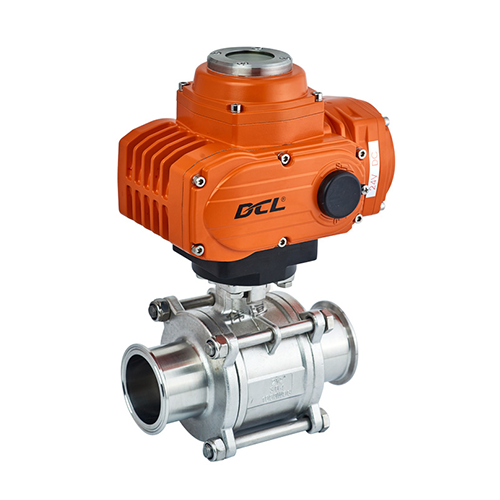
Fluorine-Lined Valves for Compressed Gas Lines: Design, Applications, and Considerations
1. Introduction
Fluorine-lined valves are specialized components designed for handling aggressive chemicals, high-purity gases, and corrosive media in compressed gas systems. These valves incorporate fluoropolymer linings—such as polytetrafluoroethylene (PTFE), perfluoroalkoxy (PFA), or fluorinated ethylene propylene (FEP)—to provide superior chemical resistance, low permeability, and contamination-free operation.
In industries such as semiconductor manufacturing, pharmaceuticals, chemical processing, and high-purity gas distribution, fluorine-lined valves ensure safe and reliable performance in environments where metal valves would corrode or introduce impurities. This paper explores the design principles, material selection, applications, and operational considerations of fluorine-lined valves in compressed gas systems.
---
2. Fluoropolymer Lining Materials
The performance of fluorine-lined valves depends on the choice of fluoropolymer, each offering distinct properties:
2.1 Polytetrafluoroethylene (PTFE)
- Properties: Exceptional chemical resistance, high-temperature stability (up to 260°C), low friction, and non-stick characteristics.
- Limitations: Susceptible to cold flow (creep under pressure) and requires reinforcement in high-stress applications.
2.2 Perfluoroalkoxy (PFA)
- Properties: Similar to PTFE but with improved flexibility and melt-processability, making it suitable for complex lining geometries.
- Applications: High-purity gas systems where smooth surfaces prevent particle entrapment.
2.3 Fluorinated Ethylene Propylene (FEP)
- Properties: Lower temperature resistance (up to 200°C) but excellent clarity and flexibility.
- Use Cases: Often used in transparent or semi-transparent linings for inspection purposes.
2.4 Modified PTFE (e.g., TFM™)
- Advantages: Enhanced mechanical properties, reduced creep, and better weldability compared to standard PTFE.
The selection of lining material depends on factors such as chemical compatibility, temperature, pressure, and mechanical stress.
---
3. Design and Construction of Fluorine-Lined Valves
3.1 Valve Types
Fluorine-lined valves are available in several configurations:
- Ball Valves: Provide tight shut-off with minimal leakage, ideal for on/off control.
- Diaphragm Valves: Offer bubble-tight sealing and are suitable for ultra-high-purity applications.
- Butterfly Valves: Used in larger pipelines where low-pressure drop is critical.
- Check Valves: Prevent backflow in corrosive gas systems.
3.2 Lining Techniques
- Molded Linings: PTFE or PFA is molded into the valve body, ensuring uniform thickness and chemical resistance.
- Loose Linings: Flexible fluoropolymer liners are inserted and secured mechanically.
- Rotolining: A rotational molding process used for complex valve geometries.
3.3 Sealing Mechanisms
- Elastomer Seals (e.g., Kalrez®, Viton®): Used in conjunction with fluoropolymer linings for enhanced sealing.
- Metal-to-Fluoropolymer Seals: Designed to prevent permeation and extrusion under pressure.
3.4 Pressure and Temperature Ratings
Fluorine-lined valves typically operate within:
- Pressure Range: Up to 150 psi (10 bar) for standard designs, with reinforced linings supporting higher pressures.
- Temperature Range: -50°C to 200°C, depending on the fluoropolymer used.
---
4. Applications in Compressed Gas Systems
4.1 Semiconductor Manufacturing
- High-Purity Gas Delivery: Fluorine-lined valves prevent contamination in gas lines supplying silane, ammonia, and other reactive gases.
- Corrosive Gas Handling: Used in etch and deposition processes involving chlorine, hydrogen fluoride, and boron trifluoride.
4.2 Chemical Processing
- Acid and Alkali Gas Transport: Resistant to sulfuric acid, hydrochloric acid, and ammonia gas.
- Pharmaceutical Grade Gas Systems: Ensures compliance with FDA and USP Class VI standards.
4.3 Oil & Gas and Petrochemicals
- Hydrogen Sulfide (H₂S) Service: Fluoropolymer linings resist sour gas corrosion.
- Oxygen Service: Non-combustible linings prevent ignition risks.
4.4 Laboratory and Analytical Systems
- GC/MS and HPLC Gas Lines: Maintains purity in carrier and calibration gases.
---
5. Operational Considerations
5.1 Installation and Maintenance
- Proper Torque Application: Over-tightening can damage fluoropolymer linings.
- Regular Inspections: Check for liner degradation, cracks, or permeation.
- Cleaning Procedures: Use compatible solvents to avoid chemical attack.
5.2 Failure Modes and Mitigation
- Cold Flow: Reinforced linings or modified PTFE reduce deformation under pressure.
- Permeation: Multi-layer linings or barrier coatings minimize gas diffusion.
- Thermal Cycling: Use valves with thermal expansion compensation features.
5.3 Compatibility Testing
- Conduct material compatibility tests with process gases to ensure long-term reliability.
---
6. Advantages Over Metal Valves
- Corrosion Resistance: No risk of rust or chemical attack.
- Particle-Free Operation: Smooth fluoropolymer surfaces prevent contamination.
- Lightweight Construction: Reduces structural load in piping systems.
7. Limitations and Challenges
- Lower Pressure Ratings: Not suitable for ultra-high-pressure gas systems.
- Thermal Expansion: Requires careful design to avoid liner stress.
---
8. Future Trends
- Nanocomposite Linings: Incorporation of nanoparticles for improved mechanical strength.
- 3D-Printed Fluoropolymer Components: Custom valve designs for specialized applications.
9. Conclusion
Fluorine-lined valves are critical for ensuring safety and efficiency in compressed gas systems handling aggressive or high-purity gases. By leveraging advanced fluoropolymers and optimized designs, these valves provide unmatched chemical resistance and contamination control. Proper selection, installation, and maintenance are essential to maximize performance in demanding industrial environments.
---
This paper provides a comprehensive overview of fluorine-lined valves, covering material properties, design considerations, applications, and best practices for compressed gas systems. Future advancements in fluoropolymer technology will further enhance their reliability and expand their use in critical industries.
(Word count: ~2000)
Teléfono: +86 577 8699 9257
Tel: +86 135 8786 5766 /+86 137 32079372
Correo electrónico: wzweiheng@163.com
Dirección: No. 1633, Yidaoba Road, Parque Industrial Binhai, Ciudad de Wenzhou, Provincia de Zhejiang

escanear wechat
Copyright © 2025 Zhejiang Weiheng Fluid Equipment Co., Ltd Todos los derechos reservados.
Este sitio web utiliza cookies para garantizar que obtenga la mejor experiencia en nuestro sitio web.
 English
 Portugues
 Pусский
 Français
 Deutsch
 한국어
한국어 العربية
 Italiano
 ไทย
ไทย Türk dili
 हिन्दी
 Melayu
 Tiếng Việt
 dansk
dansk қазақ
қазақ বাংলা
বাংলা українська
 Filipino
 o'zbek



 Teléfono
Comentario
(0)